
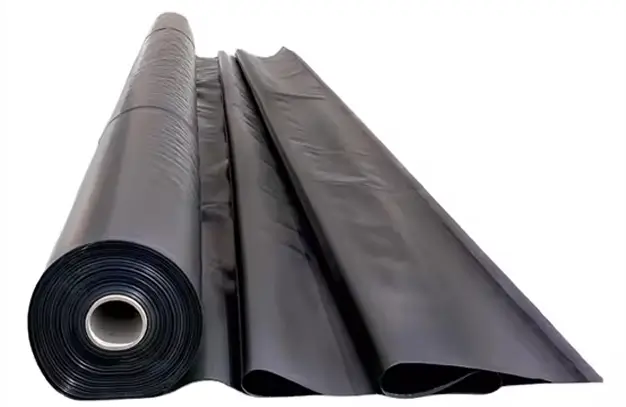
Geomembranes High-Performance Solutions for Barrier, Containment, and Environmental Protection
Geomembranes are advanced synthetic liners engineered for exceptional impermeability, making them essential in construction, waste management, and environmental engineering. Made from durable materials like high-density polyethylene (HDPE), linear low-density polyethylene (LLDPE), polyvinyl chloride (PVC), and ethylene propylene diene terpolymer (EPDM), geomembranes offer long-lasting protection and reliability in a wide range of applications.
Key Benefits of Geomembranes
Geomembranes provide a strong, resilient barrier that ensures effective containment, waterproofing, and environmental protection. They are ideal for industries requiring high standards in chemical resistance, durability, and regulatory compliance.
- Barrier and Containment: Geomembranes create an impermeable barrier, preventing leaks and contaminants from seeping into soil and groundwater. They are commonly used in landfill design, wastewater treatment, and hazardous waste containment.
- Waterproofing: With superior waterproofing properties, geomembranes are widely used in pond liners, aquaculture, and agricultural projects, effectively retaining water and protecting surrounding land.
- Durability and Chemical Resistance: These synthetic membranes resist degradation, even under harsh environmental conditions and exposure to chemicals, making them suitable for long-term applications.
Types of Geomembrane Materials
- HDPE: High-density polyethylene geomembranes offer high chemical resistance and are widely used in waste containment.
- LLDPE: Linear low-density polyethylene membranes are flexible and easier to install in irregularly shaped areas.
- PVC: Polyvinyl chloride geomembranes are highly durable and provide excellent resistance to environmental stress.
- EPDM: Ethylene propylene diene terpolymer membranes are highly flexible, ideal for pond liners and water containment systems.
Applications Across Industries
- Environmental Protection: Geomembranes provide secure containment solutions for hazardous waste management, preventing contaminants from impacting ecosystems.
- Soil Stabilization and Erosion Control: As liners for containment systems, geomembranes improve soil stability and prevent erosion in construction and infrastructure projects.
- Aquaculture and Agriculture: In agriculture and aquaculture, geomembranes are used for pond liners, irrigation systems, and water retention, contributing to sustainable land and water management.
Choose Geomembranes for Reliable, Sustainable Construction
For construction, agricultural, or environmental projects, geomembranes are the solution for reliable containment, soil stabilization, and erosion control. These geosynthetic barriers ensure compliance with regulatory standards while enhancing infrastructure durability and environmental safety.
FAQ questions for Geomembranes
Geomembranes are used to create impermeable barriers in construction, waste management, and environmental engineering. They are commonly applied in landfill liners, pond liners, wastewater containment, and soil stabilization to prevent leaks and protect against contaminants.
While both are geosynthetics, geomembranes are impermeable liners used for containment, while geotextiles are permeable fabrics used for soil stabilization, filtration, and erosion control. Geomembranes prevent liquids and gases from passing through, whereas geotextiles allow water flow but filter out sediment.
The three main types of geomembranes are high-density polyethylene (HDPE), linear low-density polyethylene (LLDPE), and polyvinyl chloride (PVC). Each type offers different properties, such as chemical resistance, flexibility, and durability, for various containment and lining applications.
HDPE (high-density polyethylene) is a type of geomembrane material known for its high chemical resistance and durability. Geomembrane refers to a category of impermeable liners, while HDPE is a specific material within that category.
An HDPE liner is a type of geomembrane made from high-density polyethylene, known for its durability and chemical resistance. It is widely used in landfill containment, mining, and wastewater management to provide a secure barrier against leaks and contaminants.
Yes, HDPE (high-density polyethylene) is a commonly used material for geomembranes due to its impermeability and resistance to chemicals, making it ideal for containment and environmental protection applications.
HDPE liners are highly durable and chemically resistant but less flexible than PVC liners, which are easier to install in complex or irregularly shaped areas. HDPE is often preferred for long-term containment, while PVC is valued for flexibility and ease of installation.
HDPE geomembrane sheets are used as liners for containment applications, such as landfill barriers, wastewater ponds, mining operations, and chemical containment, due to their high resistance to environmental stress and chemical exposure.
Geomembrane lining is a process of installing an impermeable barrier made from materials like HDPE, PVC, or EPDM. This lining is used in environmental protection, construction, and agriculture to contain liquids, prevent leakage, and control contamination.
Geomembranes are widely used in landfills, mining operations, wastewater treatment, aquaculture ponds, and agricultural applications to provide impermeable containment and protect the surrounding environment from contaminants.
Geomembrane pricing varies depending on the material (e.g., HDPE, PVC), thickness, and project requirements. It is recommended to contact our team to get accurate pricing information.