
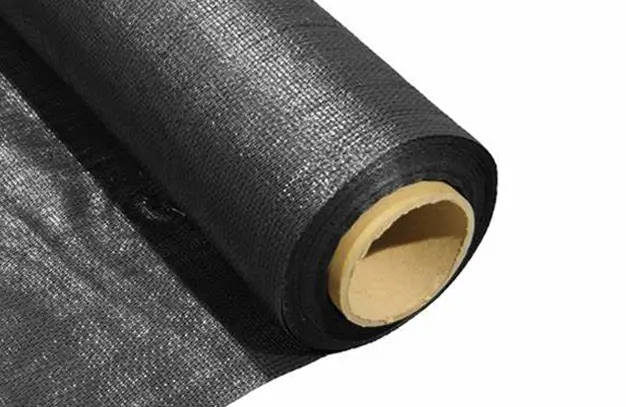
Geotextiles Sustainable Solutions for Soil Stabilization and Erosion Control
Geotextiles are innovative, high-performance permeable fabrics crafted from durable synthetic materials like polyester and polypropylene. These materials are essential in modern civil engineering and environmental projects, providing sustainable solutions for soil stabilization, drainage, filtration, and erosion control. By enhancing soil and structural integrity, geotextiles enable long-lasting infrastructure that meets the demands of today’s eco-conscious world.
Why Choose Geotextiles?
Geotextiles offer a versatile and cost-effective solution for ground improvement, infrastructure development, and environmental protection. Their applications span diverse industries, from construction and agriculture to road and pavement design, making them a key component in sustainable construction practices.
- Soil Stabilization: Geotextiles provide reinforcement and support, preventing soil shifting and improving load-bearing capacity for a stable foundation.
- Erosion Control: These fabrics act as a barrier, reducing soil erosion in various terrains, including slopes, riverbanks, and coastal areas.
- Drainage Systems: With excellent filtration properties, geotextiles facilitate water flow while blocking unwanted sediments, ideal for drainage and water management systems.
- Environmental Protection: In land reclamation and sediment control projects, geotextiles help protect ecosystems and prevent contaminants from spreading.
Types of Geotextiles
- Nonwoven Fabrics: Known for their high permeability, these fabrics are excellent for filtration and drainage, widely used in environmental and geotechnical engineering projects.
- Woven Fabrics: These geotextiles provide additional strength and reinforcement, ideal for soil stabilization and infrastructure reinforcement.
Applications in Modern Construction
From ground reinforcement in civil engineering to pavement design and agricultural improvements, geotextiles are essential in geotechnical engineering. They support sustainable construction by reducing material usage, enhancing durability, and lowering maintenance costs.
Geotextiles are the future of sustainable and resilient infrastructure. Embrace this innovative solution for your construction, agricultural, and environmental projects, and contribute to a safer, more sustainable world.
FAQ questions for geotextiles
Geotextiles are permeable fabrics made from synthetic materials such as polyester or polypropylene. They are used in civil engineering and environmental projects to reinforce soil, control erosion, enhance drainage, and filter water, helping to improve soil stability and protect the environment.
The three primary types of geotextiles are woven, nonwoven, and knitted fabrics. Woven geotextiles offer high tensile strength for soil stabilization, nonwoven geotextiles are used in filtration and drainage applications due to their permeability, and knitted geotextiles provide flexibility for specialized applications.
Geotextiles are mainly used for soil stabilization, erosion control, and drainage. They reinforce soil in construction projects, prevent soil erosion on slopes and shorelines, and allow proper water flow while filtering sediments in drainage systems.
Type 2 geotextile fabric generally refers to a medium-strength nonwoven geotextile. It is commonly used for soil stabilization, filtration, and drainage applications in roadways, retaining walls, and embankments.
Geofabric, another name for geotextile, is used in construction and landscaping to stabilize soil, control erosion, aid in drainage, and improve filtration. It is applied beneath roads, paths, and retaining walls to add durability and improve water flow management.
Geotextiles are also known as geofabrics, geomembranes, or geosynthetics. These terms are often used interchangeably and refer to fabrics that support soil stabilization and erosion control.
The ASTM (American Society for Testing and Materials) has several standards for geotextiles, including ASTM D4439 for defining terminology and ASTM D4759 for testing geotextile materials. These standards ensure quality and performance in various applications.
Geotextile membranes include woven, nonwoven, and composite types. Woven and nonwoven geotextiles are the most common, with composite membranes combining layers for added strength, often used in drainage and environmental applications.
The price of geotextiles can vary based on type, size, and application. Woven geotextiles tend to be more expensive due to their strength, while nonwoven fabrics are generally more affordable.
Geotextiles are not typically waterproof; they are designed to be permeable to allow water flow while blocking sediments. However, when combined with geomembranes, they can be used to create semi-impermeable barriers in certain applications.